 Upright
Master Series
3 Models
The page is presented as a single scrollable cinematic sequence over a piano soundboard. The full sequence covers: an introduction, our company by the numbers, our network of 200+ authorized dealers, our featured piano collections, our manifesto, our family heritage, our legacy of innovation, the science of our engineering, where to learn more, and an invitation to experience our pianos.
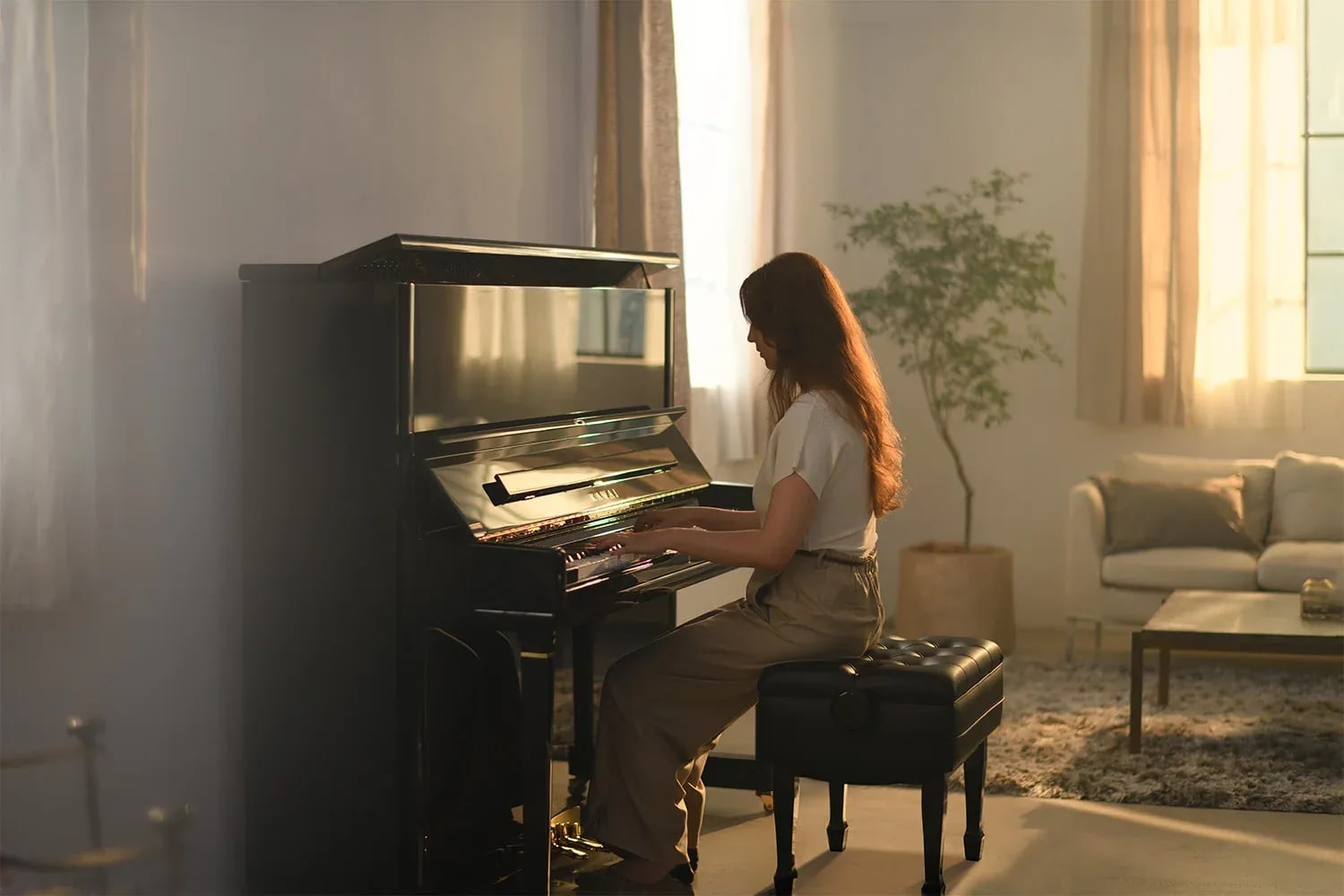

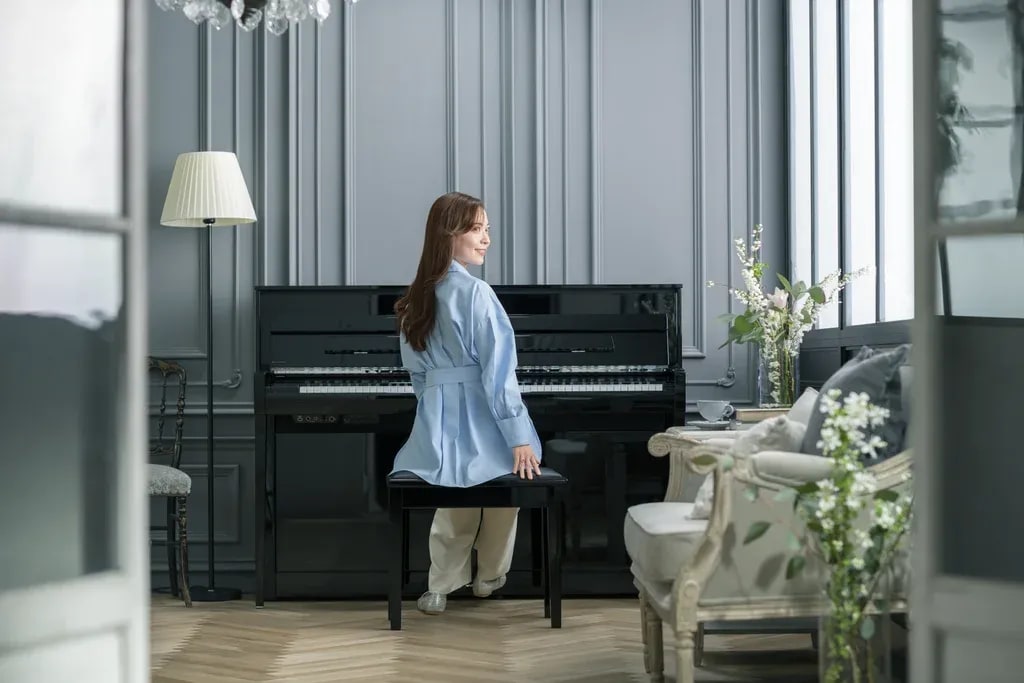
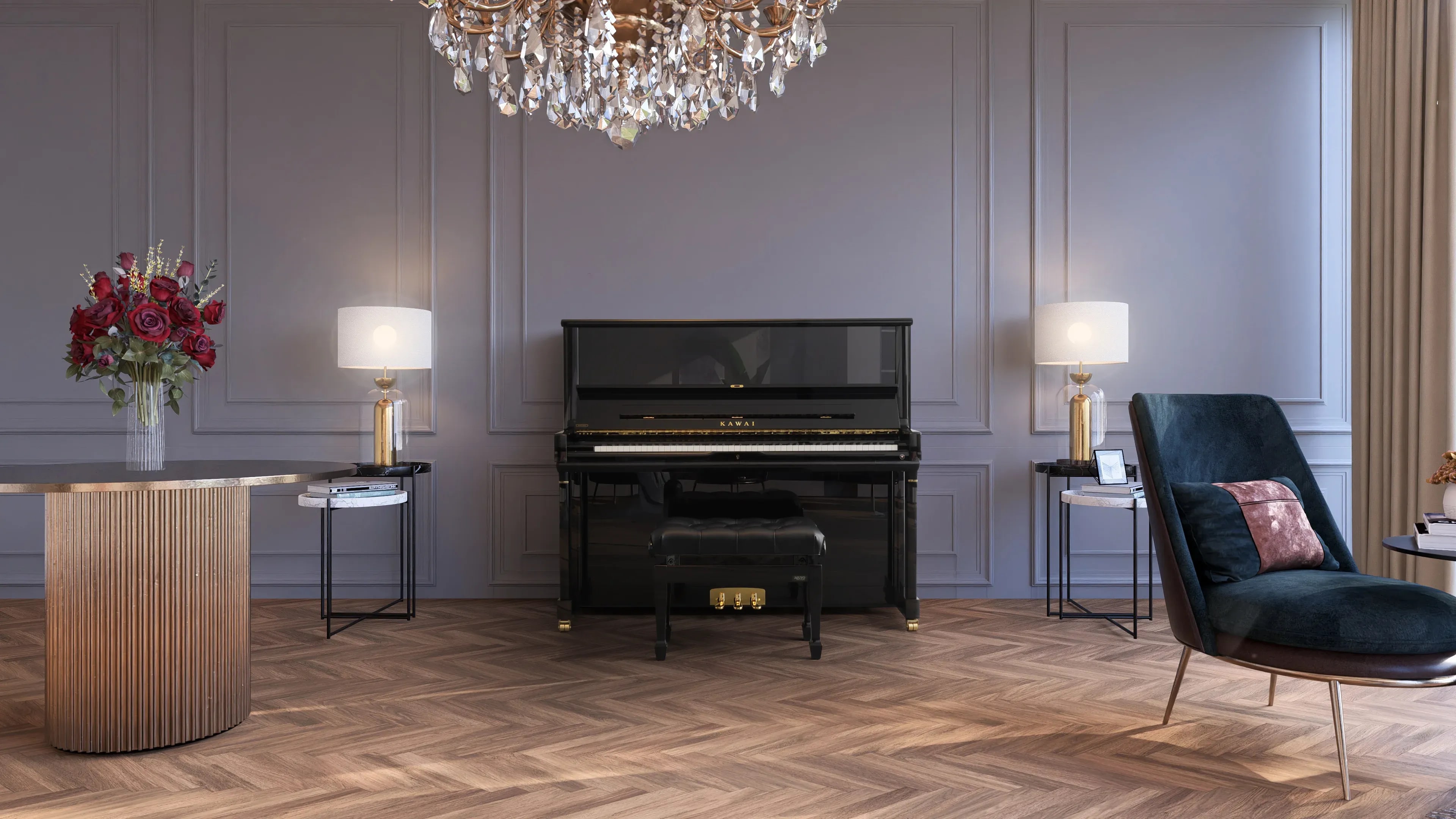
.png&w=3840&q=75)
Since 1927
Visit an Authorized Dealer or Official Kawai location for best prices and other rebate offers.

Play our pianos in person and get expert guidance from an authorized Kawai dealer near you.
Since 1927, three generations of the Kawai family have dedicated their lives to crafting inspiration through innovative piano technology, scientific research, and an unwavering commitment to quality.
In 1927, Koichi Kawai — a gifted inventor and former apprentice to Torakusu Yamaha — founded Kawai with a singular belief: that exceptional pianos should be within reach of every musician. Three generations later, that founding conviction still guides every instrument we build, marrying traditional Japanese craftsmanship with relentless scientific curiosity.
Koichi Kawai, former apprentice to Torakusu Yamaha, establishes Kawai Musical Instruments with a vision to democratize access to quality pianos.
Shigeru Kawai becomes president, introducing a scientific approach to piano innovation and establishing the foundation for modern Kawai technology.
Kawai introduces revolutionary ABS composite materials for piano actions, later proven at Cal Poly to be superior to traditional wood in durability and consistency.
Hirotaka Kawai takes leadership, introducing robotics in manufacturing and expanding Kawai's global presence while maintaining traditional craftsmanship values.
Launch of the revolutionary Millennium III Action, representing the pinnacle of composite action technology and setting new standards for touch and response.
97 years later, Kawai continues to lead with 61+ international competition victories and instruments trusted by artists and institutions worldwide.
Kawai has never treated piano-making as tradition alone. From the introduction of ABS composite actions in 1971 to today's ABS-Carbon and Millennium III mechanisms, our advances are proven in the laboratory and felt under the fingers. The same research drives Progressive Harmonic Imaging, bringing the voice of our concert grands into every digital instrument we make.
Explore our technologyMore than 50 international awards for product design and service excellence.
Universities, conservatories, and concert halls worldwide perform on Kawai.
Discover how Kawai's legacy of craftsmanship and innovation can shape your musical journey.
No marketing spin — the facts researchers look for about who makes Kawai pianos, where they’re built, and why they last.
Ryuyo Piano Factory · Hamamatsu
Karawang Facility